Learn what a lease agreement is and the essential information it should contain. We provide a practical guide for property owners and tenants.
Renting a house, an apartment, or a commercial space is one of the most common decisions in the United States, but it is also one that often raises many questions. Many people sign agreements without fully understanding what they are agreeing to, or in some cases, rent without any formal document at all, which can lead to short- and long-term problems.
A lease agreement is more than just a piece of paper it is the foundation of a clear and secure relationship between a property owner and a tenant. In this blog, we explain what a lease agreement is, what information it should include, and why having one is so important, in a simple and easy-to-understand way. We also share how Konecta can help guide you through this process.
What Is a Lease Agreement?
A lease agreement is a written legal agreement in which the owner of a property (landlord) allows another person (tenant) to use that property for a specific period of time in exchange for regular payments.
This document sets the rules from the very beginning: who can use the property, for how long, how much must be paid, and what each party’s responsibilities are.
The importance of a lease agreement lies in the fact that it protects both parties. For the landlord, it helps ensure payment and proper use of the property; for the tenant, it guarantees the right to live in or use the property under clear and fair conditions.
What Are the Essential Elements of a Lease Agreement?
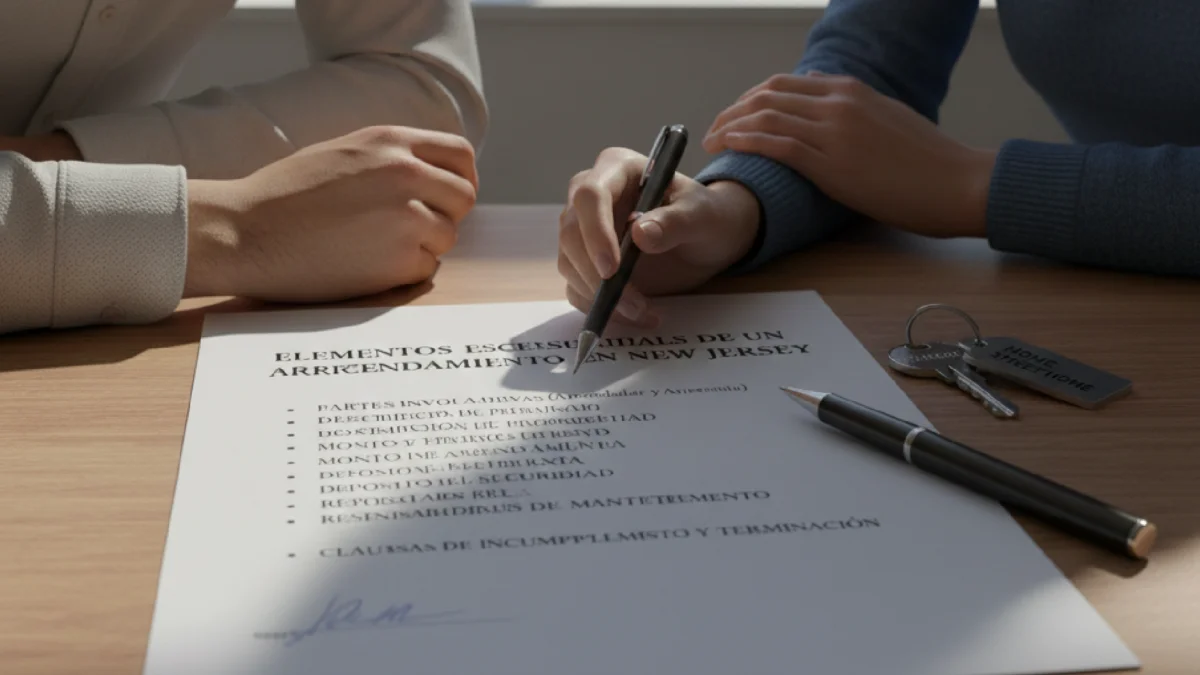
For a lease agreement to be complete and effective, it must include key information that helps prevent confusion or future conflicts:
- Parties involved: Full names, identification, and contact information of both the landlord and the tenant.
- Description of the leased property: The exact address of the property and a clear description of the rented space, including common areas, parking, or storage units, if applicable.
- Lease term and renewal: Start and end dates of the lease, as well as the conditions for renewal or extension.
- Rent amount and payment method: Monthly rent amount, due date, late payment penalties, and accepted payment methods.
- Security deposit: The amount of the deposit, how it may be used, and the conditions for its return at the end of the lease.
- Maintenance and repairs: Which responsibilities belong to the landlord and which belong to the tenant, helping avoid disputes over damages or repairs.
- Subleasing policies: Whether the tenant is allowed to rent the property to a third party and under what conditions.
- Lease termination conditions: Situations in which the lease may end early and the required notice periods.

These elements help ensure that both parties have clear expectations from day one.
Types of Lease Agreements
Not all lease agreements are the same. There are different types depending on how the property will be used:
- Residential Lease Agreement:
Used for housing such as houses or apartments. It usually includes rules related to occupancy, use of the space, basic maintenance, and tenant stability.
- Commercial Lease Agreement:
Applies to retail spaces, offices, or properties used for business purposes. It generally includes more specific clauses related to commercial activities, renovations, and operational responsibilities.
Differences and Similarities
Both types of lease agreements aim to provide legal security, but commercial leases tend to be more flexible and tailored to business needs, while residential leases focus on ensuring a safe and stable living space.
Consequences of Not Having a Lease Agreement
Renting a property without a lease agreement can lead to significant risks, such as:
- Lack of legal protection in case of disputes.
- Difficulty enforcing payments or repair responsibilities.
- Unexpected evictions or conflicts over length of stay.
- Challenges in proving verbal agreements.
A well-drafted lease agreement is a key tool for preventing conflicts and protecting your rights.

Frequently Asked Questions
Un contrato bien redactado es una herramienta clave para prevenir conflictos y proteger tus derechos.
- What are the rights and responsibilities of a tenant?
Tenants have the right to use the property as agreed and the responsibility to pay rent on time and take care of the property. - What happens if one of the parties breaches the lease?
The lease outlines the consequences, which may include penalties, early termination, or legal action. - Can I modify a lease agreement after it has been signed?
- Yes, as long as both parties agree and the changes are documented in writing.
- Is it necessary to register a lease agreement?
It depends on the state and the type of lease. In some cases, registration is recommended for added legal protection. - What should I do if the landlord does not comply with the lease terms?
The best approach is to review the lease agreement and seek guidance to understand the appropriate next steps.
Understanding a lease agreement helps you make better decisions and avoid unnecessary problems. Whether you are about to rent, already have a lease, or simply have questions, Konecta can guide you and help you understand every step of the process.